

Analysis
-
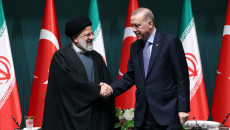
The Treaty of Qasr-i Shirin, signed in 1639, defined the borders between Turkey and Iran. These borders have remained unchanged for centuries, withstanding the rise and fall of empires, wars, and shifts in the regional balance of power. While the geography has not changed, relations between the two countries have often been renewed, sometimes gradually, sometimes dramatically. As Syria enters a new era after Bashar al-Assad leaves power, this historical balance is facing new and serious challenges.
-
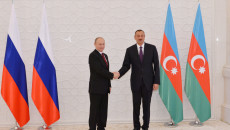
The ongoing tensions between Russia and Azerbaijan following the downing of a plane have been drawing much attention. President Ilham Aliyev's sharp and loud protests to Moscow, his toughening of visa requirements for Russian citizens, and his threatening statements about his intolerance towards Armenian fascism have led to speculation about whether they will cast a shadow over the Russian-Azerbaijani alliance. However, one cannot always agree with these views.
-
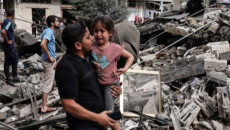
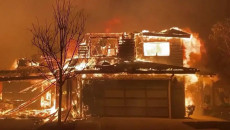
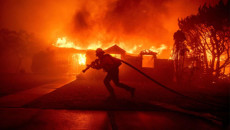
While many are linking the fires in Los Angeles to the tragedy in Gaza, others are arguing that the disaster in the US is unique, that the government should address it quickly, and not compare it to similar situations in Palestine. But what is the real situation? In general, who is really to blame for such disasters?
-
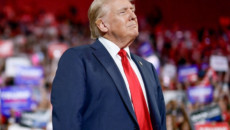
Will Trump's rise to power change the geopolitical landscape of the world? How well-founded are his claims to Canada, the Panama Canal, the Gulf of Mexico, and Greenland? Can European countries resist the idea of "America First"? What is the role of Elon Musk, who stands next to Trump, on the global agenda? What about the China factor?
-
The Syrian economy has been devastated by more than a decade of civil war and sanctions that have cut it off from the global financial system. This article provides an overview of the current state of the Syrian economy and how the conflict has changed trade and public finances.
-
US President-elect Donald Trump begins his second term on January 20. Given Trump's instability and the many unknowns that will shape the regional situation in the coming years, it is difficult to predict how the new administration will approach the Middle East. If we are to judge from Trump's first term, his foreign policy in his second term is likely to be confusing and chaotic.
-
In the 2010s, the conflicts in Syria and Lebanon made occasional headlines, but the crisis in Yemen was largely forgotten. Unfortunately, Sudan has fallen off the radar this year, driven by conflicts in Gaza, Ukraine and Lebanon. In the coming year, governments and news agencies around the world must pay attention to the events in Sudan and think of new ways to give the Sudanese stories the attention they deserve. From an article by Tufail Hussein, director of British Islamic Relief.
-
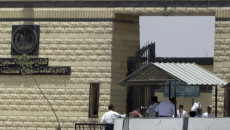
The truth about Sednaya prison, also known as the "human slaughterhouse" in Syria, reflects the fears that haunt the families of those imprisoned by the Sisi regime in Egypt, and raises questions: Are there underground prisons in Egypt? Where are the victims of forced disappearances? How many were tortured or subjected to medical neglect? Why doesn't Egypt open its prisons to international scrutiny?
-
Do you know how much it cost to produce the Chinese clothes we wear today? Because of this, how many children were left without mothers, how many men were used as slaves, how many women suffered humiliation and abuse!? Did you ever even imagine that every fifth cotton garment we wear was produced in such difficult conditions, under oppression?!
11020 19.12.2024 17:51