

The President approved the concept of ensuring freedom of conscience and policy in the field of religion in Uzbekistan
The document notes that there are "attempts to introduce rules specific to a particular religion into social relations regulated by law, questioning the equal rights of women and men, refusing to fulfill civic obligations, denying the norms of social morality, national and universal values, restricting the rights to use medical care, scientific and cultural achievements, goods and services, a lack of understanding of the essence of secular statehood by some civil servants, and the spread of illegal ideas and views that undermine the development, unity and stability of society."
"In addition, as a result of the globalization of the information space, the free use of social networks and the widespread involvement of young people in migration processes limit the ability to fully control the factors that cause radicalization," the concept states.
"In addition, as a result of the globalization of the information space, the free use of social networks and the widespread involvement of young people in migration processes limit the ability to fully control the factors that cause radicalization," the concept states.
According to the document, such situations "pose a threat to the unity of the people of Uzbekistan, society and the state, and can lead to non-compliance with legal acts, violation of the rights of other persons, a negative change in the attitude of citizens to the legal order, the erosion of patriotic feelings, and family conflicts."
The lack of a clear definition of the principles of state policy in the religious sphere can lead to its different understanding among the population, a distorted interpretation of the foundations of a secular state, and an intensification of conflict situations in society. The concept also emphasizes that failure to take into account scientific and technological achievements, neglect of their importance in the development of the state and society, and failure to keep up with the times complicate the implementation of urgent tasks on the path to taking a worthy place in the global competitive arena of the country.
The lack of a clear definition of the principles of state policy in the religious sphere can lead to its different understanding among the population, a distorted interpretation of the foundations of a secular state, and an intensification of conflict situations in society. The concept also emphasizes that failure to take into account scientific and technological achievements, neglect of their importance in the development of the state and society, and failure to keep up with the times complicate the implementation of urgent tasks on the path to taking a worthy place in the global competitive arena of the country.
Related to the topic
-
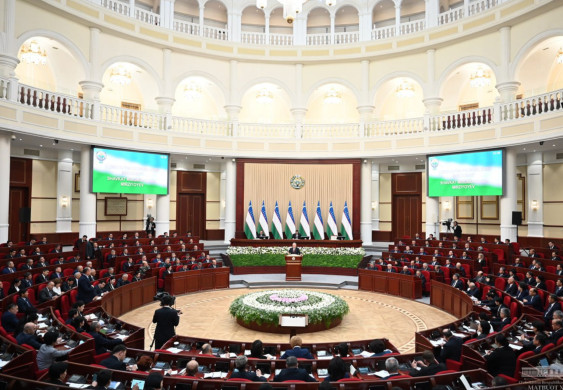
On February 11, 2025, the Legislative Chamber of the Oliy Majlis adopted the draft law "On ensuring freedom of conscience of citizens in the Republic of Uzbekistan and approving the concept of state policy in the religious sphere" in the second reading and sent it to the Senate.
-
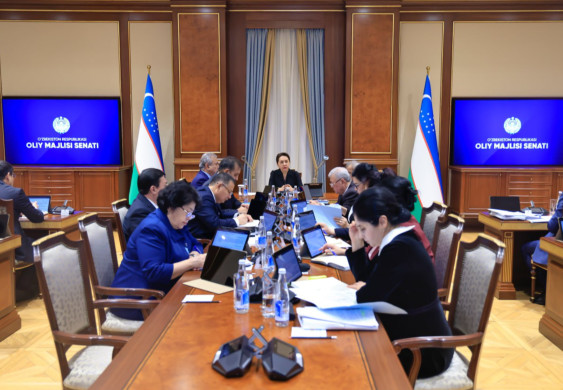
Tomorrow, February 20, the fourth plenary session of the Senate of the Oliy Majlis will consider the law on approving the concept of state policy in the religious sphere.