

Keeping children out of mosques is against secularism
Today, it has become a situation where whatever state officials do, they must "follow" the law. Recently, the concept of "secularism" was adopted. It stated that the state's domestic and foreign policy, or rather, its service to the people, is separated from religion, and that no religion is given priority.
It was supposed to ensure that the state would not interfere with religious organizations and that religious freedoms were guaranteed. The concept, adopted after the presidential advisor on religious affairs, Ruslan Davletov, took office, was assessed by experts as a document that could potentially infringe on the rights of believers.
As in the pamphlet, secular statehood envisages that only public services will be secular. However, this concept also includes provisions that can influence the people's domestic choices and religious worship.
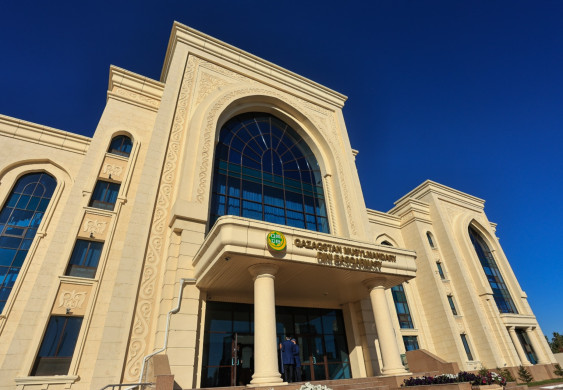
With the beginning of the month of Ramadan in our country, this concept began to demonstrate how much "legal" power it has. Although the concept adopted by law stipulates that the state should not interfere in the activities of religious organizations and should not interfere with the beliefs and prayers of citizens, from the first days of Ramadan, it became known to the Muslim Office that "adults" were interfering in the activities of children by keeping them away from the mosque.
Representatives of the official religious organization of Muslims in our country did not deny this illegal interference, as they followed the law. After all, just as in Sharia, the government's legal orders are fulfilled, shouldn't only legal requirements be fulfilled in secularism, as in the risal?!
That is why the government has begun to "verbally order" law enforcement agencies across the country to violate the requirements of secularism, that is, to prevent the state from interfering in the activities of religious organizations and citizens from worshipping. In this case, it would be correct to say that "everything you do will be in accordance with Sharia law."
In such cases, it is considered a requirement of the law for citizens to remind the state that it is secular and to remind it that it is unlawful to interfere in religious affairs. Just as in Sharia, enjoining what is good and forbidding what is evil is a beautiful act, in secularism, the state must have its own alternative, such as calling for good and forbidding evil, or calling for obedience to the law and forbidding unlawful behavior. Or does secularism mean allowing the state to engage in unlawful behavior as it pleases?
Therefore, the Uzbek people must constantly remind the state of any illegal interference in their freedom of religious belief and protect their rights through legal means. If the state cannot provide for the needs of citizens to worship, citizens will begin to fulfill these needs in shelters. This will create even more problems. Because every believer wants to enter paradise.
However, Ruslan Davletov previously emphasized that the essence of statehood is to open up opportunities for people to enter hell. He did not clarify whether the state prevents people from entering paradise or whether it should allow them to enter paradise as well as hell.
If a state does not allow people to practice their religion, it becomes an atheistic, tyrannical state. Such a state and its rulers will inevitably decline and be humiliated in both worlds.
The religious people of the Uzbek people want to practice their religion freely, not have the state illegally obstruct their participation in official religious organizations, and exist on the basis of mutual trust and respect.
However, given the situation, that is, some officials aim to prevent religious citizens from entering heaven and allow others to enter hell, two things need to be done in such a situation:
- Legally asserting rights;
- Patience. Patience is the practice of increasing the number of actions that some officials in the state do not want.
In the current situation, it is important to take more children to mosques in their free time, teach them religion more deeply, and be more resilient in the face of trials and tribulations on this path.
© History and Politics
Related to the topic
-
The Religious Administration of Muslims of Kazakhstan has announced the start of the holy month of Ramadan as March 1. According to the administration, Eid al-Fitr falls on March 30, and Laylat al-Qadr falls on March 26-27.
-
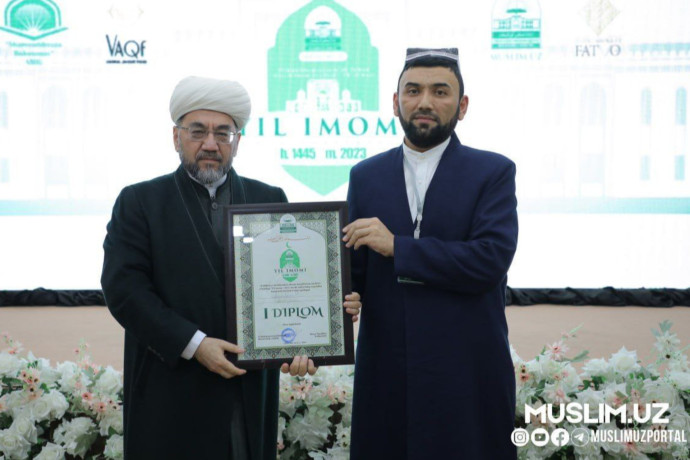
The winners of the republican stage of the "Imam of the Year - 2023" contest were determined in Tashkent. The winner of the first place was presented with a Hajj ticket.