

Kazakhstan has risen to the ranks of 50 countries in terms of economic prosperity
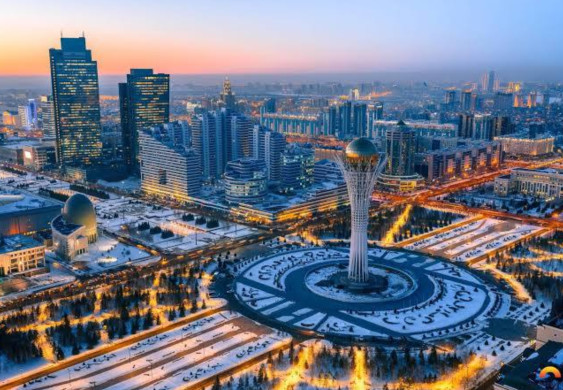
With an index of 47.36, Kazakhstan entered the ranking of countries with an average level of well-being, surpassing Russia, China, Turkey and Central Asian countries. The analysis of the World Wellbeing Index was carried out by the Canadian HelloSafe analytical platform based on data from the World Bank and the UN.
One measure of well-being is the Legatum Well-Being Index, which began ranking in 2007. The Legatum Prosperity Index ranks 104 of the world's countries and territories across 167 different variables in twelve categories, including health, education, personal freedoms, safety and security, and business environment.
The most prosperous countries in the world have the highest levels of personal freedom, safety and security, education and healthcare. These countries also have healthy natural environments and conditions that promote economic prosperity through features such as investment protection, favorable business regulations, and sound market infrastructure.
Denmark, Sweden, Norway, Finland, Switzerland, the Netherlands, Luxenburg, Iceland, Germany and New Zealand were among the top ten countries in the ranking of economic well-being.
Categories of the Legatum Prosperity Index:
• Security — monitors the impact of war, terror, conflict and crime on the overall security of individuals in the short and long term.
• Personal liberty-monitors basic legal rights, personal freedoms and social tolerance in a country's society and legal system.
• Measures corruption and effectiveness of governance; examines checks and balances in government power.
• Social capital—monitors civic participation, social norms, institutional trust, and the strength of personal and social relationships.
• Investment environment-monitors availability and security of financial investments.
• Enterprise conditions—measures the environment and opportunities for businesses to start, expand, and compete.
• Infrastructure and Market Access—measures the strength of the trading system and tracks disruptions in the trading market for goods and services.
• Economic quality measures the economy's ability to attract the full available labor force and generate sustainable wealth.
• Measures overall quality of life by observing living conditions—shelter, basic services, Internet access, and availability of material resources.
• Health-Measures Availability of health services, mortality, risk factors and morbidity and health outcomes.
• Education—tracks enrollment at all levels (through pre-primary education to higher education) and skill sets in the adult population.
• Natural environment-measures the part of the environment that directly affects daily life and may affect the well-being of future generations.
Related to the topic
-
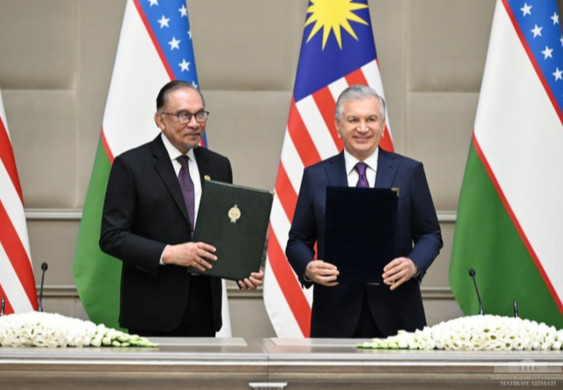
The President of Uzbekistan and the Prime Minister of Malaysia agreed to expand cooperation in the fields of Islamic finance, Halal certification, artificial intelligence, and tourism. "Umra plus" program on pilgrimage tourism will be launched. The President said that he is ready to establish the Uzbekistan-Malaysia industrial zone.
-
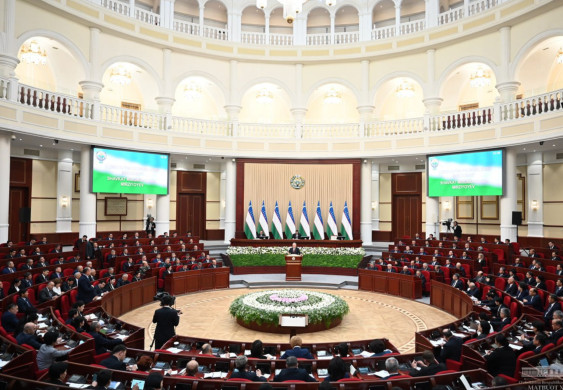
On February 11, 2025, the Legislative Chamber of the Oliy Majlis adopted the draft law "On ensuring freedom of conscience of citizens in the Republic of Uzbekistan and approving the concept of state policy in the religious sphere" in the second reading and sent it to the Senate.