

Changes in Syria: Who won, who lost?
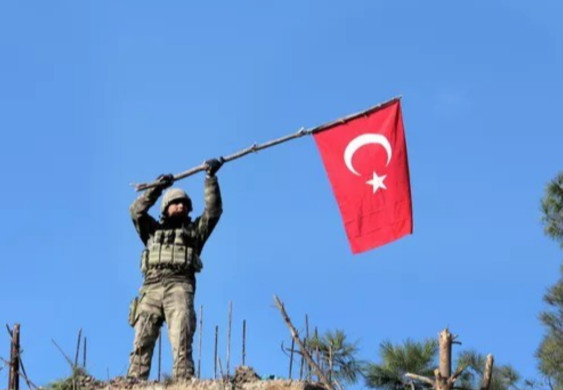
Regardless of who the external winners and losers are, Turkey is seen as one of the big winners. First, the conflict will strengthen Ankara's role in shaping the future of post-war Syria and allow it to create a new Syria that is allied with it. Second, Syria's transformation from a geopolitical identity close to Iran and Russia to an ally of Turkey offers Ankara unprecedented geopolitical opportunities to exert its influence in the Middle East.
Among all these perceived interests is the opportunity for Turkey to consolidate its new role as a mediator in ensuring its national security and regional stability. These interests include playing a leading role among external actors in shaping the future of Syria, strengthening its position in the fight against the project of separatist Kurdish units in northern Syria, and strengthening its position in its relations with Iran, Russia, the United States, and Arab states.
These changes also give Ankara a great opportunity to protect its interests in future relations with the administration of newly elected US President Donald Trump.
But with all these opportunities, Turkey faces great difficulties in leading the project of building a new Syria. Especially as Ankara's influence in Syria grows, it also directly assumes the responsibility of preventing the negative consequences of this transformation.
Although Ankara has consistently denied any links to Hayat Tahrir al-Sham, it is difficult to imagine it simply observing the conflict from the sidelines since November 27. The path of change in Syria will primarily test Ankara's ability to maintain a coherent vision of the various opposition groups, free from competition and infighting, and to exert influence over Hayat Tahrir al-Sham to ensure that change continues.
Along with Turkey, the United States and Israel are also interested in the developments in Syria, as removing Syria from its alliance with anti-Western regimes such as Iran and Russia would be a major geopolitical victory for them.
However, this change poses risks for both countries. While the prevailing view is that Syria under the rule of the Assad family was beneficial to Israel in the past, both in terms of ensuring its security and in terms of eliminating elements of internal political diversity in Syria, it is difficult to say that a Syria with a new geopolitical position based on an alliance with Turkey will be more beneficial for the Israelis. At the same time, the criteria for the benefits and harms gained from this change for the Arab world remain unclear.
While the revolution's impact on Iran's presence in Syria and its regional role has brought significant benefits to the Arab region, these benefits have also increased Arab concerns about the potential for a second wave of the Arab Spring following the overthrow of the Assad government.
However, these changes also give the Arab world the opportunity to play a more active role in shaping a new Syria with greater potential and financial resources.
Iran and Russia are considered to have lost the most as a result of this change. Iran had mobilized a lot of financial and military resources in the Syrian conflict to increase its strategic influence and open the way for its Lebanese ally Hezbollah through Iraq and Syria. However, after the fall of the Assad regime, this huge investment was wasted. This change had far-reaching negative consequences for Iran's regional role. Hezbollah, which had suffered heavy losses after heavy fighting with Israel and was further weakened, lost an ally in Syria that had guaranteed it power and weapons in Lebanon for years.
The failure of Iran's strategic investments related to Syria will also negatively affect its reputation in Iraq and the region.
As for Russia, losing Syria as an ally would be a major blow to its position in the Middle East. For President Vladimir Putin, the collapse of the Soviet Union was the greatest geopolitical tragedy of the 20th century, while losing Syria is a geopolitical disaster in the Middle East for Russia.
Russia's involvement in the conflict in the mid-2000s, in support of the Assad regime, was a key foreign policy exercise. But the high costs of the war in Ukraine have undermined Russia's position in the Middle East. As a result, Russia's ability to maintain its military bases on the Mediterranean coast, which are essential for its Middle East policy and influence in long-term conflicts such as Libya, Sudan, and African affairs, is now under serious doubt.
Mahmoud Allouch - International Relations Researcher
Related to the topic
-
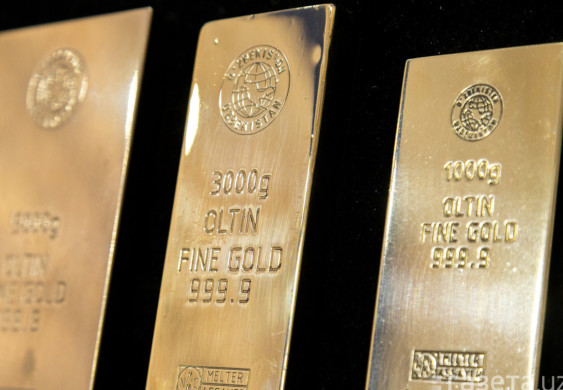
Uzbekistan exported gold worth $3.57 billion in the first quarter of this year. This is 34% more than in the same period last year. Precious metals accounted for 44% of the country's total exports. Imports in the energy sector, however, fell sharply. Imports of oil and oil products amounted to $443.1 million, a decrease of 16%.
-
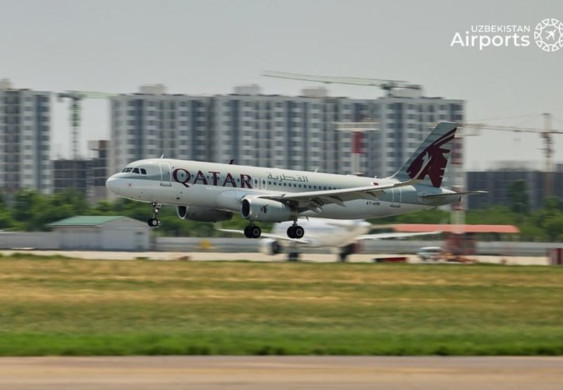
Qatar Airways launched regular flights on the Doha-Tashkent route from June 2. Flights are carried out four times a week - on Monday, Wednesday, Friday and Sunday on Airbus 320 aircraft. In the future, it is planned to increase the frequency of flights and launch flights to Samarkand and Bukhara.