

South Korean parliament impeaches President Yun Seok-yol
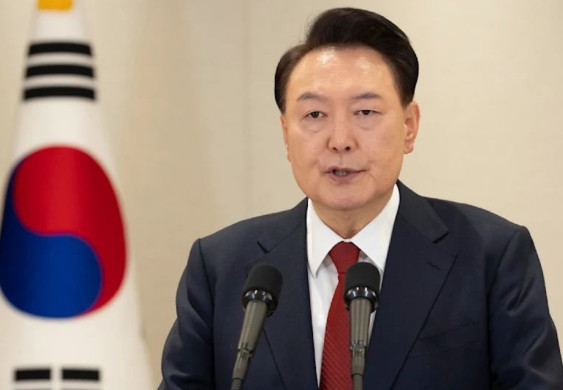
South Korea's National Assembly has voted to impeach President Yun Seok-yol. 204 of the 300 members of parliament supported his removal from office, more than the two-thirds majority needed for the resolution to pass.
The main reason for the impeachment was the unexpected declaration of martial law on December 3. The decision caused public protests and was canceled within hours. The president explained this action by the need to "ensure the security of the country in times of crisis."
The opposition also accused Yun Seok-yol of deepening the political crisis and dividing society through his actions. The president's labeling of opposition political forces as "enemies of the state" also exacerbated the situation.
The first attempt at impeachment failed due to a boycott by the ruling party. In the second attempt, some members of the ruling party joined the opposition and secured enough votes to pass the resolution.
As a temporary consequence of the impeachment, the country's leadership will be transferred to Prime Minister Han Deok-soo. The final decision on whether President Yun Seok-yol will remain in office or resign will be made by the Constitutional Court. The court can either confirm the impeachment or find it unconstitutional.
The removal of Yun Seok-yol from office has highlighted the acute tension in South Korea's political scene. While the president's supporters see the decision as a political conspiracy, the opposition presents it as an act in line with democratic rules.
The Constitutional Court's decision will determine not only the fate of Yun Seok-yol, but also the political future of the country.
Related to the topic
-
It has been 423 days since Israel launched its war of aggression and destruction in the Gaza Strip. 24 hours of major events in the Gaza Strip, the West Bank and the entire Middle East.
-
Markets in the Middle East tumbled amid expectations of an Iranian attack on Israel